Understanding Permafrost
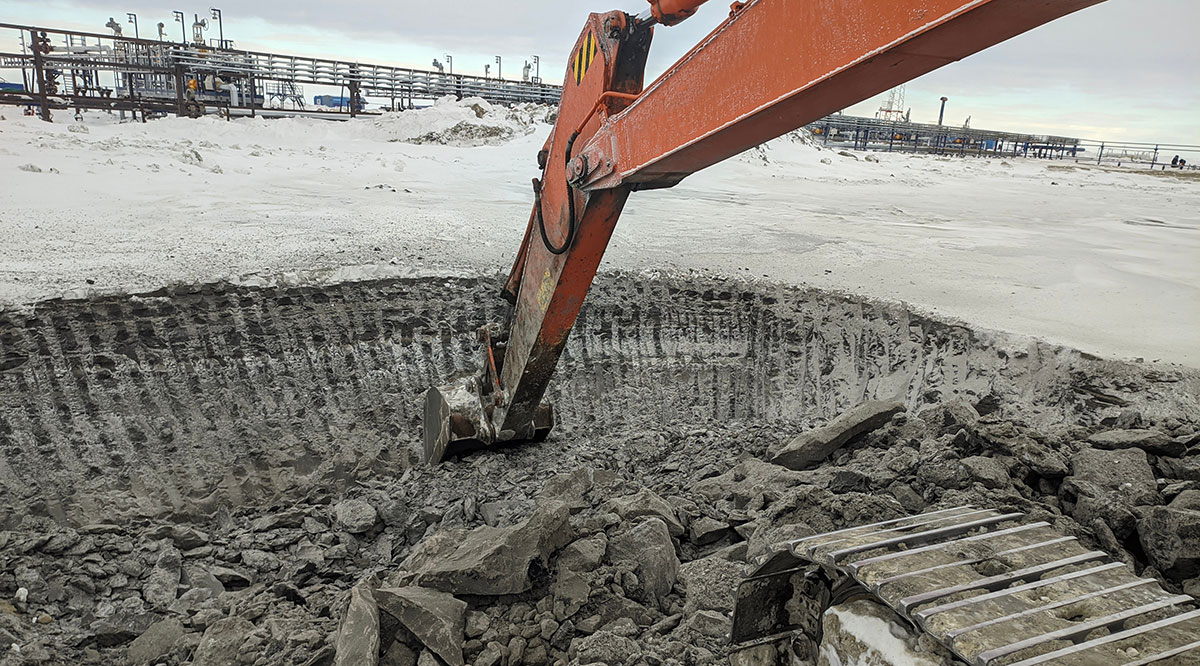
Permafrost is one of the defining features of northern Canada. It is ground that remains frozen year-round, sometimes hundreds of meters deep, and it forms the foundation for much of the region’s infrastructure. As an Arctic engineer, I have spent decades working with permafrost, learning to design roads, bridges, and buildings that can withstand its unique properties.
Permafrost presents both opportunities and challenges. When stable, it provides a solid base for construction. When it thaws, however, it can become unstable, causing roads to crack, buildings to tilt, and entire landscapes to shift. The reality of climate change makes understanding and managing permafrost more critical than ever.
The Impact of a Warming Climate
Rising temperatures are accelerating permafrost thaw in many regions. Seasonal freeze and thaw cycles are becoming more extreme, and areas that were previously considered stable are now experiencing ground movement. This poses a serious risk to infrastructure, particularly ice roads and winter highways that rely on frozen conditions for safe operation.
For engineers, this means adapting traditional construction methods. What worked twenty years ago may no longer be sufficient. We must continuously monitor ground conditions, study thaw patterns, and design infrastructure that can accommodate or resist the effects of a changing climate.
Designing for Stability
Designing long-lasting infrastructure on permafrost requires careful planning and innovative techniques. One key strategy is insulation. By placing layers of insulating materials between the ground and the structure, we can reduce heat transfer and slow thawing. Gravel pads and thermosyphons are also commonly used to maintain frozen conditions beneath roads and buildings.
Another approach is flexible design. Infrastructure must be able to tolerate some degree of movement without catastrophic failure. For roads, this might mean thicker ice reinforcement, adjustable bridges, or modular roadway sections. Buildings may be constructed on adjustable piles or stilts to accommodate settling. The goal is to create systems that continue to function safely even when the ground beneath them shifts.
Monitoring and Technology
Technology plays a critical role in managing permafrost challenges. Ground-penetrating radar, satellite imagery, and remote sensors allow engineers to monitor temperature, moisture content, and structural integrity in real time. This data helps identify vulnerable areas before they fail and guides maintenance decisions.
Predictive modeling is also essential. By analyzing historical climate data and current trends, engineers can estimate how permafrost will behave in the coming years. These models inform design choices, route selection for ice roads, and the timing of construction activities. Accurate data reduces risk and increases the lifespan of infrastructure.
Collaboration with Communities
Designing infrastructure on permafrost is not just a technical challenge. It requires collaboration with local communities and Indigenous groups. Residents often have detailed knowledge of seasonal changes, soil conditions, and historical thaw patterns. Incorporating this knowledge into engineering decisions helps create designs that are safe, effective, and culturally respectful.
Community involvement also ensures that infrastructure meets local needs. Roads, bridges, and supply routes must support transportation, economic activity, and emergency access. When communities are part of the planning process, projects are more likely to succeed and have long-lasting benefits.
Case Studies and Lessons Learned
Over the years, I have worked on projects where permafrost challenges were front and center. One large ice road network in northern Manitoba required careful planning to avoid areas of unstable ground. By combining satellite monitoring, on-site inspections, and guidance from local elders, we were able to create routes that remained safe throughout the season.
Another project involved constructing permanent access roads for a mining operation. The team used insulated gravel pads and adjustable supports to maintain stability over thaw-prone areas. These designs reduced maintenance needs and extended the lifespan of the infrastructure, saving both time and resources.
These experiences highlight a simple truth: understanding permafrost and planning for its changes is essential. Failure to do so can result in costly repairs, disrupted transportation, and safety hazards. Success comes from combining technical expertise, observation, and collaboration.
Preparing for the Future
The future of northern infrastructure depends on our ability to adapt to a warming climate. Engineers must anticipate changes in permafrost conditions, incorporate resilient design practices, and monitor structures continuously. Training the next generation of Arctic engineers is also crucial. They need to understand permafrost dynamics, apply modern technology, and integrate traditional knowledge to design safe, sustainable infrastructure.
Climate change will continue to challenge engineers working in the North, but it also drives innovation. Modular designs, real-time monitoring systems, and hybrid road networks are just some of the solutions that help us adapt. By staying proactive, we can ensure that communities and industries in northern regions continue to have reliable access to transportation, energy, and resources.
A Personal Reflection
Working with permafrost has taught me patience, observation, and respect for the natural world. It reminds me that engineering is not just about building structures—it is about understanding the environment, anticipating changes, and protecting communities.
Designing long-lasting infrastructure on permafrost is challenging, but it is also rewarding. Each successful project is a testament to collaboration, innovation, and careful planning. As the climate continues to change, engineers must rise to the challenge, combining technical expertise with respect for the land and the people who depend on it.
Permafrost may be frozen ground, but the lessons it teaches are anything but static. They shape the way we design, build, and maintain the North for generations to come.